Skye’s Cliffs and Ocean Horizons: A Photographer’s Journey
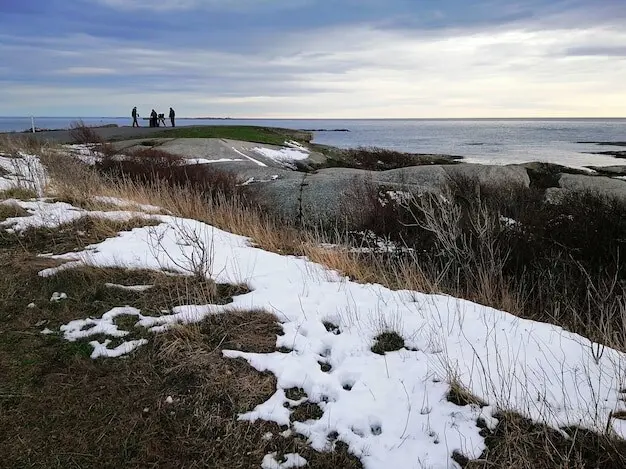
Reading Weather, Tides, and Terrain Without Losing Your Nerve
Forecast Windows That Matter
Tides, Swell, and Timing the Retreat
Paths, Fences, and Respect on the Edge
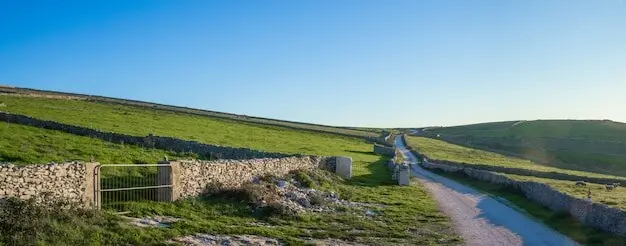
Golden Hour, Blue Hour, And Everything Between
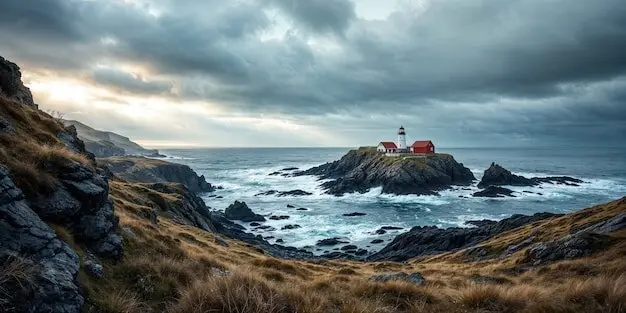
Stormbreaks, Rain Curtains, and Rainbow Chases
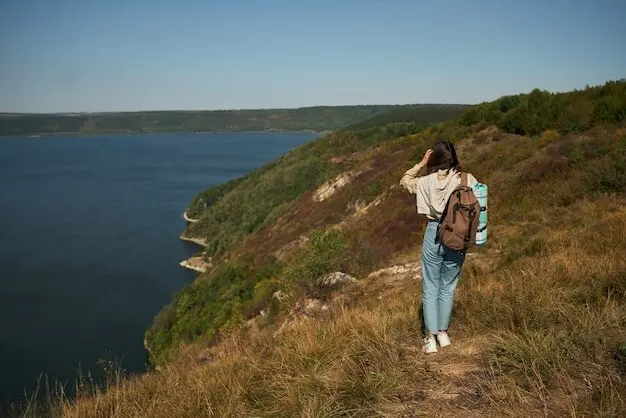
Winter Low Sun, Aurora Whispers, Long Nights
Compositions That Hold the Horizon and the Heart
01
Leading Lines in Basalt and Light
Columnar basalt, sheep paths, and wind-pressed grasses all point home if you let them. Angle your stance to curl lines toward the subject while avoiding footstep scars. Let backlit spray sketch temporary arrows, then recompose quickly as clouds evolve, honoring motion without surrendering clarity or essential narrative balance.
02
Scale Through People, Birds, and Beacons
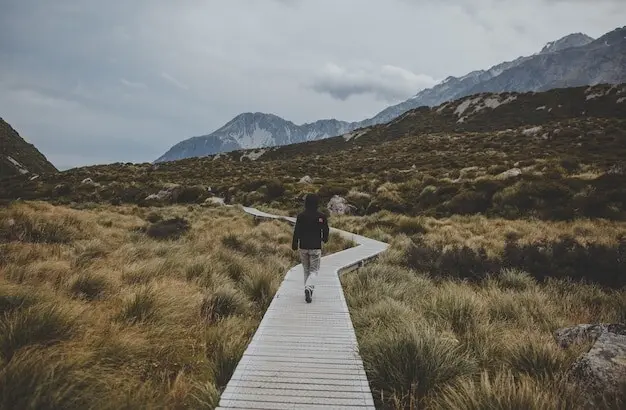
Including a walker, fishing boat, or distant gannet can telegraph immensity better than any caption. Keep them small yet readable, allow negative space to amplify isolation, and avoid cliff edges. Patience rewards micro-gestures, like a coat whipping or wing flare, that translate wind and distance straight into feeling.
03
Horizon Discipline and Breathing Room
The sea line rules everything. Level with intention or tilt boldly for a reason, never by accident. Leave headroom for weather, footroom for texture, and check edges for stray hats, poles, or gulls. Build a frame that invites silence, then introduces wonder, without shouting for attention.
Tools, Techniques, and Toughness for Coastal Work
Lenses, Filters, and Field Craft
A 16–35 captures sweeping amphitheaters; a 24–70 frames context; a 70–200 isolates beacons through spray. Pair circular polarizers cautiously to avoid blotchy skies, rely on soft graduated filters, and use a 10-stop ND sparingly. Kneel low behind rocks to break wind and steady your stance without endangering edges.
Long Exposures Without Losing Texture
Smoothing waves is tempting, yet too much erases story. Aim for shutter speeds that blur streaks while preserving veining around boulders. Test half-second through four seconds with ND filters, watch histogram for spray glare, and bracket a faster frame to blend crisp detail into the foreground later.
Landmarks and Quiet Corners Worth Your Dawn
From RAW File to Resonant Print
Color, Contrast, and Honest Atmosphere
Local Contrast Without Plastic Shine

All Rights Reserved.