Chasing First Light and Last Glow along Skye’s Wild Edges
Today we set out to celebrate the best sunset and sunrise coastal viewpoints on the Isle of Skye, guiding you to cliffs, headlands, and sheltered bays where light brushes basalt and sea with unforgettable color. Expect practical routes, safety notes, and creative ideas, plus stories gathered from windswept evenings and dew-bright mornings. Join the conversation by sharing your favorite overlooks, questions, and tips, and subscribe for future field notes that help you plan smarter, shoot kinder, and return with images that breathe salt, sky, and wonder.
Reading the Light: Seasons, Angles, and Hebridean Mood
Understanding Skye’s light means learning how seasons swing the sun’s path, how Atlantic fronts carve brief windows, and how cloud texture decides whether a sky ignites or whispers. We’ll connect direction, timing, and local geography so your dawns and dusks become intentional rather than lucky. Along the way, you’ll discover how patience, a flexible plan, and a thermos change everything, keeping spirits high when forecasts wobble and cliffs hum with restless wind beneath patient boots.
When the Sun Rises and Sets through the Year
Winter sun hovers low, painting long edges and forgiving contrasts along west-facing cliffs; summer vaults higher, gifting long twilights and delicate pastel transitions. Track azimuth and elevation to align shorelines with light. Civil twilight matters, revealing foreground textures before the sun breaches. Build plans around these margins, arriving early to scout paths, foregrounds, and safe vantage points, so when color finally blooms, you’re poised rather than scrambling along wind-scraped grass.
Clouds, Weather Windows, and Making Drama Work
Layered mid-level clouds can catch crimson afterglow, while broken cumulus dances with reflected sea light. Use hourly forecasts and rain radar to read gaps moving off the Minch, timing arrivals as curtains lift. Don’t shun storms; squalls often open spotlight moments framing sea stacks like theater. Keep cloths ready for spray, lens hoods for gusts, and a mindset that welcomes change, because Hebridean weather paints its best canvases with wild, shifting brushstrokes.
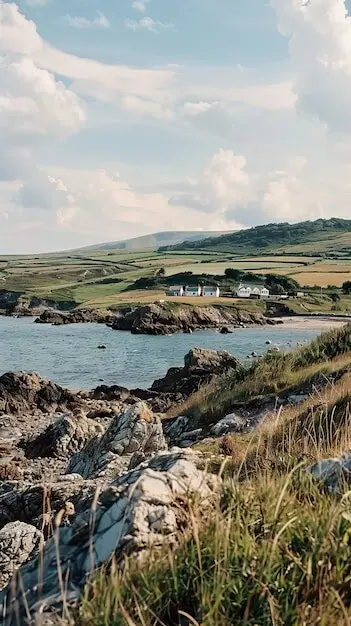
Westward Glow: Neist, Talisker, and the Coral Sands
When the day leans toward the Atlantic, Skye’s west flanks gather color like a cathedral gathers hymns. Here, sunfall ignites lighthouse cliffs, polishes black pebbles, and turns shell-bright shallows milky turquoise. We’ll explore approaches, best vantage points, and compositions that hold the eye beyond the obvious postcard. Bring patience for parking, layers for gusts, and a willingness to wander a little farther for solitude, where a final ember of light crowns sea and stone together.
Dawn on the North and East: Brother’s Point, Kilt Rock, Staffin Bay
Brother’s Point Paths, Sheep Pastures, and Basalt Steps
Brother’s Point, or Rubha nam Brathairean, offers a rolling approach through pasture and along cliff-backed turf where first light combs the grass heads. The promontory’s segmented basalt encourages strong leading lines toward a horizon that warms early. Wear waterproof boots for dew, respect livestock, and give nesting birds wide berth. Compose low with lichen-crusted rocks, or go higher to trace curves of cliff and sea. The return walk under a brightening sky feels like a promise kept.
Kilt Rock Viewpoint before the Buses Arrive
Arrive in blue hour, when the car park is quiet and Mealt Falls whispers into the sea. As sunlight edges the horizon, cliff faces take on sculptural relief, echoing the pleats that inspired the name. Bring ear protection for wind if sensitive, and brace your tripod securely against railings. A medium telephoto frames falls and sea with elegant balance; wider views capture sweeping geology. Leave before crowds swell, carrying light, spray-kissed frames and a peaceful start to your day.
Staffin Bay’s Low Tide Textures and First Color
At An Corran, low tide reveals honeycomb textures, ripple lines, and shallow pools ready to catch dawn’s first blush. Scan for fossilized dinosaur prints when conditions allow, keeping a respectful distance if roped off. Early color often reflects most richly in the thinnest water, so crouch low and angle carefully. Watch for waders commuting along the shore, pausing to feed as light strengthens. As the sun rises, turn seaward for silhouettes that punctuate calm, pearly gradients with gentle clarity.
Southbound Perspectives: Elgol, Camasunary, and the Point of Sleat
Skye’s south offers big-mountain drama across tide-scored lochs and white sand coves where dawn kindles slow, honeyed glow. From Elgol’s hardy pier to the quiet of Camasunary and the bright sweep near the Point of Sleat, compositions span rugged and serene. The road may twist and the path may lengthen, yet each step pays back with space, breath, and sky. Choose solitude or shared wonder, then let the tide and wind decide your cadence home.
From Elgol, the Black Cuillin serrate the horizon, catching late sun in a brooding, cinematic way. Use the stone slabs and pier edges as anchors, guiding the eye toward Scavaig’s width. Long exposures blend swell into silk while preserving rock character. Bring microspikes for slippery weed, watch crab pots and ropes, and brace for fierce gusts. When clouds part, warm light ribbons between peaks, rewarding patience. Even on overcast evenings, silver-toned scenes carry a quiet, timeless gravity.
Camasunary’s bothy and bay offer contemplative views toward the Cuillin with shoreline curves that cradle reflected color at dawn and dusk. The approach path adds commitment, thinning crowds while heightening arrival’s satisfaction. Pack a headlamp, respect private land, and keep dogs controlled near livestock. Compose from higher knolls to include sweeping arcs, or crouch by cobbles for intimate reflections. As light spreads, the bay often trades drama for serenity, inviting frames that breathe and linger kindly in memory.
Camas Daraich’s pale sand and glassy shallows welcome first light like an open palm. The track is longer, so start early, rewarding yourself with solitude and a horizon that clears to Rum and Eigg. Look for seals nosing close at high tide, and footprints erased by returning waves. A polarizer refines color in clear water; careful rotation preserves sky reflections. When sun edges up, dune grasses backlight beautifully, framing sea and islands with a gentle, glowing hush.
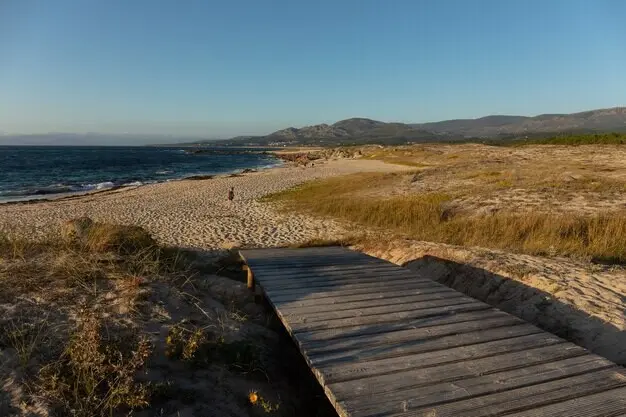
Creative Practice: Composition, Filters, and Exposure Choices
Coastal light is generous but demanding, asking you to decide what matters before it fades. We’ll build frames that lead, pause, and reward curious eyes, using foreground textures, horizon placement, and purposeful timing. Tools matter only when they serve feeling, so we’ll discuss filters, bracketing, and shutter decisions that protect color and motion without stealing authenticity. The goal is photographs that taste of salt and wind, honoring the place while speaking in your own steady voice.
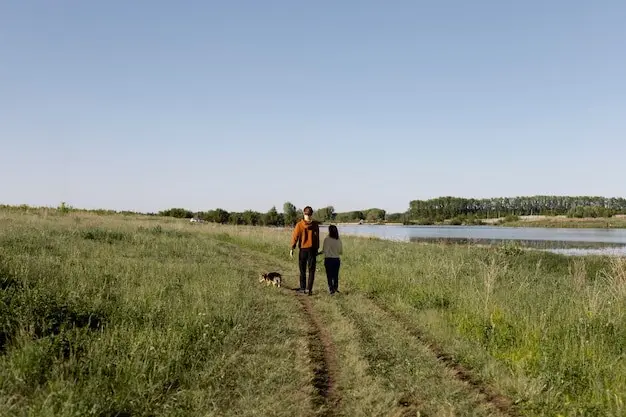
Logistics that Save the Shot: Timing, Gear, and Community
Great light means little if you miss the approach, freeze on a cliff, or overlook local kindness. We’ll map arrivals to twilight, pack layers that laugh at wind, and build redundancy into batteries, maps, and headlamps. Parking smartly and leaving no trace protect access for everyone. Community completes the circle: swapping knowledge, offering a spare cloth, and greeting dawn companions turns solitary pursuits into shared care. Together, shorelines stay beautiful, safe, and welcoming for the next traveler.

All Rights Reserved.